

Residential Home Inspections: A Residential Inspection Overview
- Ross Thornhill
- Feb 2
- 4 min read
When buying a home, one of the most important steps is scheduling a thorough inspection. A home inspection helps uncover potential issues that could affect the safety, value, and comfort of your new property. Understanding what to expect during this process can make it less stressful and more productive. This guide will walk you through the key aspects of a residential inspection overview, what inspectors look for, and how to prepare for your inspection day.
What Is a Residential Inspection Overview?
A residential inspection overview is a detailed examination of a home's condition, typically conducted before the final purchase. The goal is to identify any defects or maintenance needs that could influence your decision or negotiation with the seller. This inspection covers major systems and components, including the roof, foundation, plumbing, electrical, heating and cooling, and more.
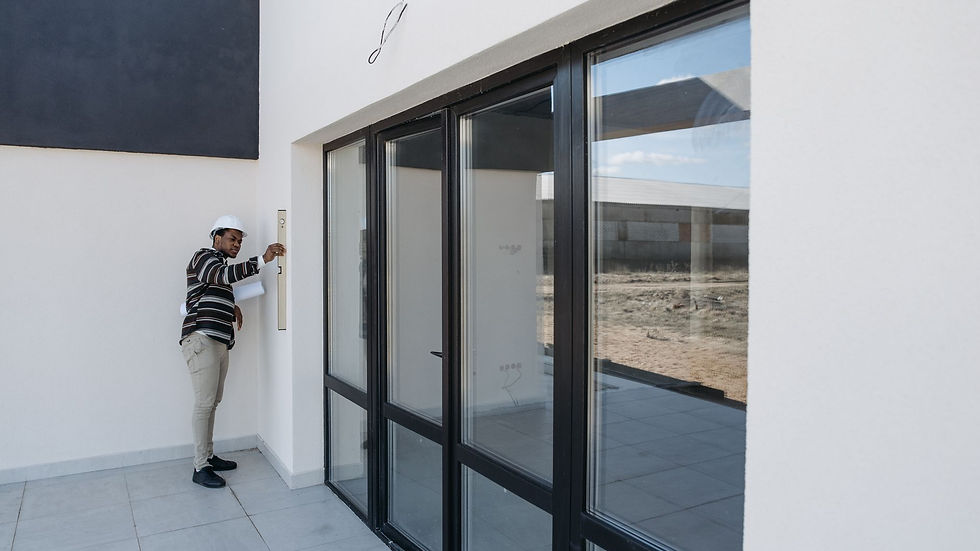
During the inspection, a certified professional will assess the property both inside and out. They will look for visible signs of damage, wear, or safety hazards. The inspector will also check for compliance with local building codes and standards. After the inspection, you will receive a comprehensive report outlining their findings, often with photos and recommendations.

Key Areas Covered in a Residential Inspection
Roof and Gutters: Inspectors check for missing shingles, leaks, and gutter functionality.
Foundation and Structure: Look for cracks, settling, or water damage.
Plumbing System: Includes pipes, fixtures, water heaters, and drainage.
Electrical System: Wiring, outlets, circuit breakers, and safety devices.
Heating and Cooling: Functionality of HVAC systems and ventilation.
Interior Components: Walls, ceilings, floors, windows, and doors.
Appliances: Some inspections include built-in appliances like ovens and dishwashers.
This overview helps buyers understand the home's condition and plan for any necessary repairs or upgrades.
Preparing for Your Residential Inspection
Preparation is key to getting the most out of your home inspection. Here are some practical tips to help you get ready:
Be Present During the Inspection: Attending the inspection allows you to ask questions and see issues firsthand.
Clear Access to Key Areas: Make sure the inspector can easily access the attic, basement, electrical panels, and crawl spaces.
Gather Documentation: Provide any maintenance records or warranties for appliances and systems.
Take Notes and Photos: Document the inspector’s comments and any concerns you want to revisit later.
Plan for 2-4 Hours: Inspections can take several hours depending on the size and condition of the home.
By being proactive, you can better understand the report and make informed decisions.
How much does a home inspection cost in Canada?
The cost of a home inspection in Canada varies depending on the location, size, and age of the property. On average, you can expect to pay between $300 and $600 CAD for a standard residential inspection. Larger homes or those with additional features like pools or outbuildings may incur higher fees.
Some factors influencing the cost include:
Property Size: Larger homes require more time and effort to inspect.
Age of the Home: Older homes may need more detailed assessments.
Additional Services: Radon testing, mold inspections, or pest inspections often come at an extra cost.
Location: Urban areas might have higher prices compared to rural regions.
It’s important to choose a qualified inspector who provides a detailed report and clear communication. Investing in a quality inspection can save you thousands in unexpected repairs later.

What Happens After the Inspection?
Once the inspection is complete, the inspector will prepare a detailed report. This document includes:
Summary of Findings: Highlights major issues and safety concerns.
Photographs: Visual evidence of defects or areas needing attention.
Recommendations: Suggestions for repairs, maintenance, or further specialist evaluations.
Condition Ratings: Some reports use a rating system to prioritize issues.
As a buyer, you can use this report to:
Negotiate Repairs: Request the seller to fix problems before closing.
Adjust the Offer Price: Reflect the cost of necessary repairs in your offer.
Plan Future Maintenance: Understand what upkeep will be needed to keep the home in good condition.
It’s advisable to review the report carefully and consult with your real estate agent or contractor if you have questions.
Tips for Choosing the Right Home Inspector
Selecting a qualified home inspector is crucial for a reliable assessment. Here are some tips to help you find the right professional:
Check Credentials: Look for certifications from recognized organizations.
Read Reviews: Online feedback can provide insight into the inspector’s reputation.
Ask About Experience: Inspectors with local knowledge understand regional issues better.
Request Sample Reports: Review the format and detail level of their reports.
Confirm Insurance: Ensure the inspector has professional liability insurance.
A good inspector will communicate clearly, answer your questions, and provide a thorough evaluation.
Final Thoughts on Residential Home Inspections
A residential home inspection is a vital step in the home buying process. It provides peace of mind by revealing hidden problems and helping you make an informed investment. By understanding what to expect, preparing properly, and choosing the right inspector, you can navigate this process smoothly and confidently.
Taking the time to conduct a thorough inspection can save you from costly surprises and ensure your new home is safe and sound for years to come.


Comments