

The Importance of Inspections for Home Buyers
- Ross Thornhill
- Jan 5
- 3 min read
Buying a home is one of the most significant investments many people make in their lifetime. It is a process filled with excitement, anticipation, and sometimes anxiety. One crucial step that can help ease the stress and protect your investment is scheduling a thorough inspection before finalizing the purchase. Understanding the importance of inspections for home buyers can save you from costly repairs and unexpected surprises down the road.
Why Inspections for Home Buyers Are Essential
When you purchase a home, you are not just buying the visible features like paint color or flooring. You are investing in the entire structure, including the foundation, roof, plumbing, electrical systems, and more. Inspections for home buyers provide a detailed evaluation of these critical components.
A professional inspector will identify issues that may not be obvious during a casual walkthrough. For example, hidden water damage, faulty wiring, or structural weaknesses can be uncovered. This knowledge empowers buyers to make informed decisions, negotiate repairs, or even reconsider the purchase if necessary.
Key benefits of inspections for home buyers include:
Peace of mind: Knowing the true condition of the property.
Financial protection: Avoiding unexpected repair costs.
Negotiation leverage: Requesting repairs or price adjustments.
Safety assurance: Identifying hazards like mold or carbon monoxide leaks.

What Does a Home Inspection Cover?
A comprehensive home inspection covers many aspects of the property. Inspectors typically evaluate:
Structural components: Foundation, walls, ceilings, floors, and roof.
Exterior: Siding, windows, doors, gutters, and drainage.
Roofing: Shingles, flashing, chimneys, and ventilation.
Plumbing: Pipes, fixtures, water heaters, and drainage systems.
Electrical systems: Wiring, outlets, panels, and grounding.
Heating and cooling: HVAC units, ductwork, and thermostats.
Interior: Walls, ceilings, floors, doors, and windows.
Insulation and ventilation: Attic and crawl space conditions.
Appliances: Built-in appliances like ovens and dishwashers.
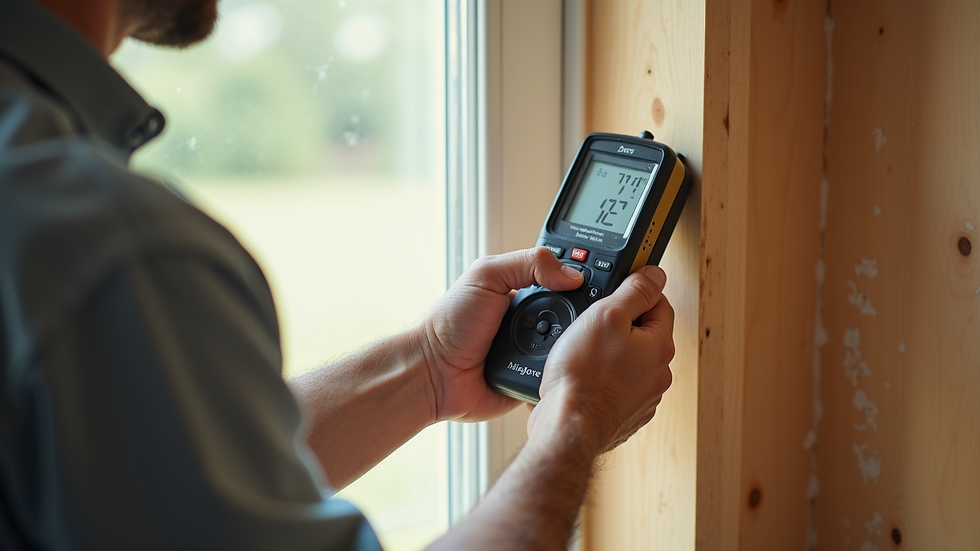
Inspectors use specialized tools and their expertise to assess these areas thoroughly. They provide a detailed report with photos and recommendations, helping buyers understand the home's condition.
Does a Home Inspection Protect the Buyer?
A common question is whether a home inspection truly protects the buyer. The answer is yes, but with some important considerations.
A home inspection is not a guarantee that the property is flawless. Instead, it is a professional assessment that highlights existing problems and potential risks. Buyers should use the inspection report as a guide to make decisions.
For example, if the inspection reveals a leaking roof, the buyer can negotiate with the seller to repair it before closing or reduce the price to cover future repairs. If major structural issues are found, the buyer might decide to walk away from the deal.
It is also important to hire a qualified and experienced inspector. A thorough inspection reduces the risk of missing critical problems. Buyers should attend the inspection if possible to ask questions and see issues firsthand.
How to Prepare for a Home Inspection
Preparation can make the inspection process smoother and more effective. Here are some practical tips for buyers:
Research inspectors: Choose a licensed, certified, and reputable professional.
Attend the inspection: Being present allows you to learn about the home and ask questions.
Review the report carefully: Understand the findings and prioritize repairs.
Ask for estimates: Get quotes from contractors for any necessary work.
Plan for future maintenance: Use the inspection as a guide for ongoing home care.
Buyers should also communicate with their real estate agent about any concerns or special requests for the inspection. Some buyers opt for additional inspections, such as pest control or radon testing, depending on the location and property type.
Making the Most of Your Home Buyer Inspection
To maximize the value of your home buyer inspection, consider these actionable recommendations:
Use the report to negotiate: Don’t hesitate to ask the seller for repairs or credits.
Prioritize safety issues: Address problems like faulty wiring or mold immediately.
Budget for repairs: Even if the home is in good condition, set aside funds for future maintenance.
Keep records: Save the inspection report for future reference and resale.
Stay informed: Learn about common issues in the area or home style.
Remember, a home inspection is an investment in your peace of mind and financial security. It helps you avoid surprises and ensures your new home is safe and sound.
Final Thoughts on Inspections for Home Buyers
Inspections for home buyers are a vital step in the home buying journey. They provide a clear picture of the property’s condition and help buyers make smart, confident decisions. By understanding what inspections cover, how they protect you, and how to prepare, you can turn a complex process into a manageable one.
Taking the time to invest in a professional inspection can save thousands of dollars and prevent headaches in the future. Whether you are a first-time buyer or experienced homeowner, never skip this important step.
Your dream home deserves a thorough checkup before you sign on the dotted line.


Comments