

Understanding Home Inspection Costs and Average Home Inspection Pricing
When buying or selling a property, understanding the costs involved in a home inspection is crucial. A home inspection provides valuable insights into the condition of a property, helping you make informed decisions. However, many people find the pricing of these inspections confusing. In this post, I will break down the factors that influence home inspection costs, explain average home inspection pricing, and highlight what to watch out for during an inspection.
What Influences Average Home Inspection Pricing?
The price of a home inspection can vary widely depending on several factors. Knowing these can help you budget properly and avoid surprises.
Property Size and Type: Larger homes or commercial properties usually cost more to inspect because they take longer and require more detailed checks.
Age of the Property: Older homes may need more thorough inspections, especially if they have outdated systems or materials.
Location: In Eastern Newfoundland, travel time and local market rates can affect pricing.
Inspection Scope: Some inspections cover only the basics, while others include specialized services like radon testing or mold inspection.
Inspector’s Experience and Certification: More experienced inspectors or those with advanced certifications may charge higher fees.
For example, a typical single-family home in Torbay might cost less to inspect than a large commercial building in downtown St. John’s. Understanding these variables helps you choose the right inspection service for your needs.

Average Home Inspection Pricing in Eastern Newfoundland
In Eastern Newfoundland, the average home inspection pricing generally falls within a certain range. For a standard residential property, you can expect to pay between $400 and $600. This price usually covers a comprehensive inspection of the home’s major systems, including:
Structural components (foundation, walls, roof)
Electrical systems
Plumbing
Heating and cooling systems
Interior and exterior conditions
Commercial property inspections tend to be more expensive due to their complexity and size. Prices can range from $700 to over $1,500 depending on the property.
It’s important to remember that the cheapest option is not always the best. A thorough inspection by a qualified professional can save you money in the long run by identifying costly issues early.
If you want to learn more about the typical home inspection cost, this resource provides detailed pricing information specific to the region.
What is the Biggest Red Flag in a Home Inspection?
One of the most critical parts of a home inspection is identifying major red flags that could affect the safety and value of the property. From my experience, the biggest red flag is often structural damage. This can include:
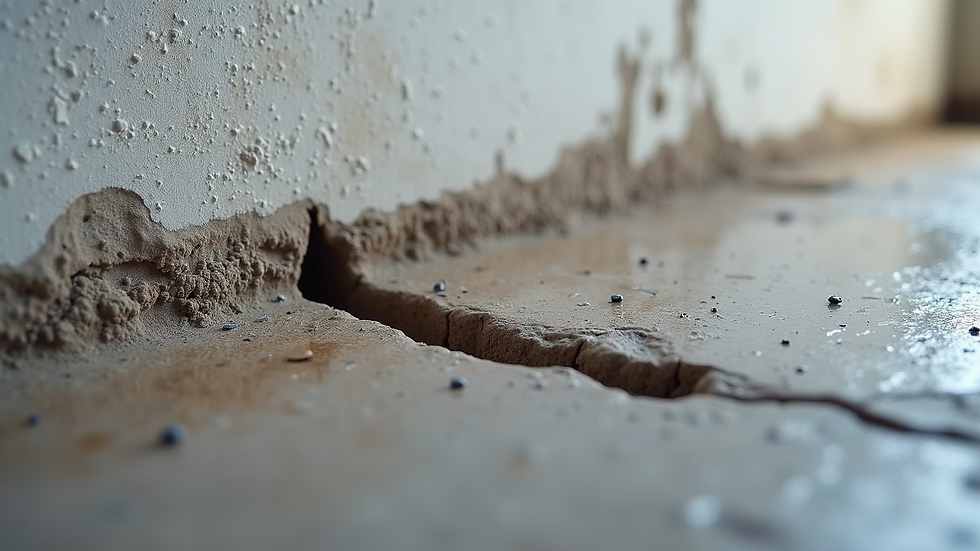
Foundation cracks or shifting
Sagging or uneven floors
Water damage in basements or crawl spaces
Roof damage or leaks
Structural issues can be expensive to repair and may indicate deeper problems with the property. Other significant red flags include outdated electrical wiring, mold growth, and plumbing leaks.
For example, during an inspection, I once found a hidden water leak behind a wall that had caused extensive mold damage. Catching this early saved the buyer from a costly repair and health risks.
If you encounter any of these red flags, it’s wise to get a specialist’s opinion and factor repair costs into your decision.
How to Prepare for a Home Inspection
Preparing for a home inspection can make the process smoother and more effective. Here are some practical tips:
Clear Access: Make sure the inspector can easily access all areas, including the attic, basement, and electrical panels.
Provide Documentation: If you have maintenance records or previous inspection reports, share them with the inspector.
List Your Concerns: Write down any specific issues you want the inspector to check.
Be Present: Attend the inspection if possible. This allows you to ask questions and get immediate feedback.
Plan for the Report: Expect a detailed written report with photos and recommendations. Review it carefully.
By preparing well, you help the inspector do a thorough job and get the most value from the inspection.
Making the Most of Your Home Inspection Investment
A home inspection is an investment in your peace of mind and financial security. To maximize its value:
Choose a licensed and experienced inspector with good reviews.
Understand what is included in the inspection and what might require additional services.
Use the inspection report to negotiate repairs or price adjustments with the seller.
Schedule inspections early in the buying process to avoid delays.
Consider follow-up inspections if major issues are found.
Remember, the goal is to uncover potential problems before they become costly surprises. A well-conducted inspection empowers you to make confident decisions about your property.
Planning for Long-Term Property Well-Being
Beyond the initial purchase, regular inspections can help maintain your property’s condition over time. Scheduling periodic inspections allows you to:
Detect wear and tear early
Plan maintenance and repairs proactively
Preserve property value
Ensure safety for occupants
Whether you own a home or commercial property in Eastern Newfoundland, staying on top of inspections supports long-term well-being and protects your investment.
Understanding the factors behind home inspection costs and average home inspection pricing helps you navigate the real estate process with confidence. By knowing what to expect and how to prepare, you can ensure your inspection delivers the insights you need for a smart property decision.


Comments